Program Overview
Social Skills Building
Social Skills Group Therapy program uses an Interdisciplinary approach (mix of Behavior analytic approach, Sensory Motor skills, and communication skills) to equip participants to handle various social situations by breaking requisite skills into several steps.
Under the guidance of Board-Certified Behavior Analysts, Speech-Language Pathologists, and Occupational Therapists, we can assess, develop the required skills, and demonstrate progress across sessions for the social skills program.
Techniques and Strategies Used
A variety of techniques and evidenced-based program strategies are used in Social skills group therapy program, including:
- Therapist facilitated conversations
- Social stories
- Real-life and In-Community Training
- Token Economies
- Role play/guided practice
- Reinforcement techniques
- Parent education and support
- Scenario Modeling
- Traditional Group Lessons
- Group Games
- Video Lessons
- Peer Modeling
- Music and movement activities
- Sensory and movement strategies and support
- Visual supports and social stories/scripts
Program Benefits
What's in this Program for You
Enhanced Social Skills
Develop crucial social abilities for improved interaction and relationship-building with peer
Improved Communication
Strengthen verbal and nonverbal communication skills, aiding in clearer expression and understanding
Who Can Benefit from Social Skills Group Therapy program
Social Skills Group Therapy program is designed for children with autism spectrum disorders, ADD/ADHD, social anxiety, or other social and language challenges. Participants may exhibit:
- Difficulty playing in a group
- Problems with taking turns or sharing
- Trouble making friends or forming relationships
- Difficulty paying attention in a group
- Trouble controlling impulses or emotions
- Difficulty understanding nonverbal communication
Skills Taught
Social, Adaptive, Vocational, and Self-Help
Our Social Skills Group Therapy program touches on many social, adaptive, vocational, and self-help topics. These topics are derived from the research-based curriculum:
- The PEERS Curriculum: Created at UCLA by Elizabeth Laugeson1, the PEERS is a socially validated curriculum for peer-based social groups.
- Social Thinking by Dr. Michelle Garcia Winner, a well-known social skills clinician.
Social skills help children learn the skills on how to act in different social situations – ranging from interacting with teachers or while playing with their friends at school. It helps your child make friends, learn from others, and develop hobbies and interests.
Development of social skills in children also improves their family relationships and give the child a sense of belongingness as part of the family.
Play Skills
For example, taking turns in games or sharing toys
Conversation Skills
For example, choosing what to talk about or what body language to use
Emotional Skills
For example, managing emotions and understanding how others feel
Problem-Solving Skills
For example, dealing with conflict or making decisions in social situations
What types of social challenges can this therapy address?
Our program targets various difficulties, such as trouble making friends, difficulty understanding nonverbal communication, and challenges with impulse control.
How are the therapy sessions structured?
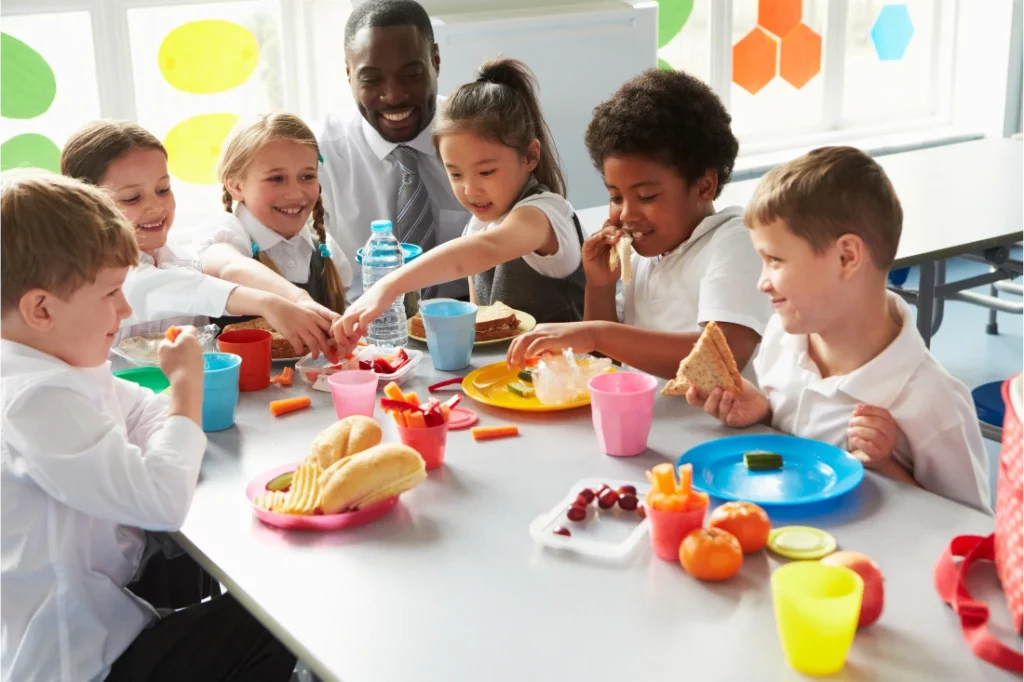
Sessions include therapist-facilitated discussions, role-play, group games, and social stories, offering a diverse range of interactive learning experiences.
Who can benefit from social skills group therapy?
Children with autism spectrum disorder, ADHD, social anxiety, or language challenges can benefit from improving social interaction, communication, and relationship-building skills.
Our Comprehensive Services
We Are Here for You
Book a consultation today, let’s create a customized plan for your child’s growth